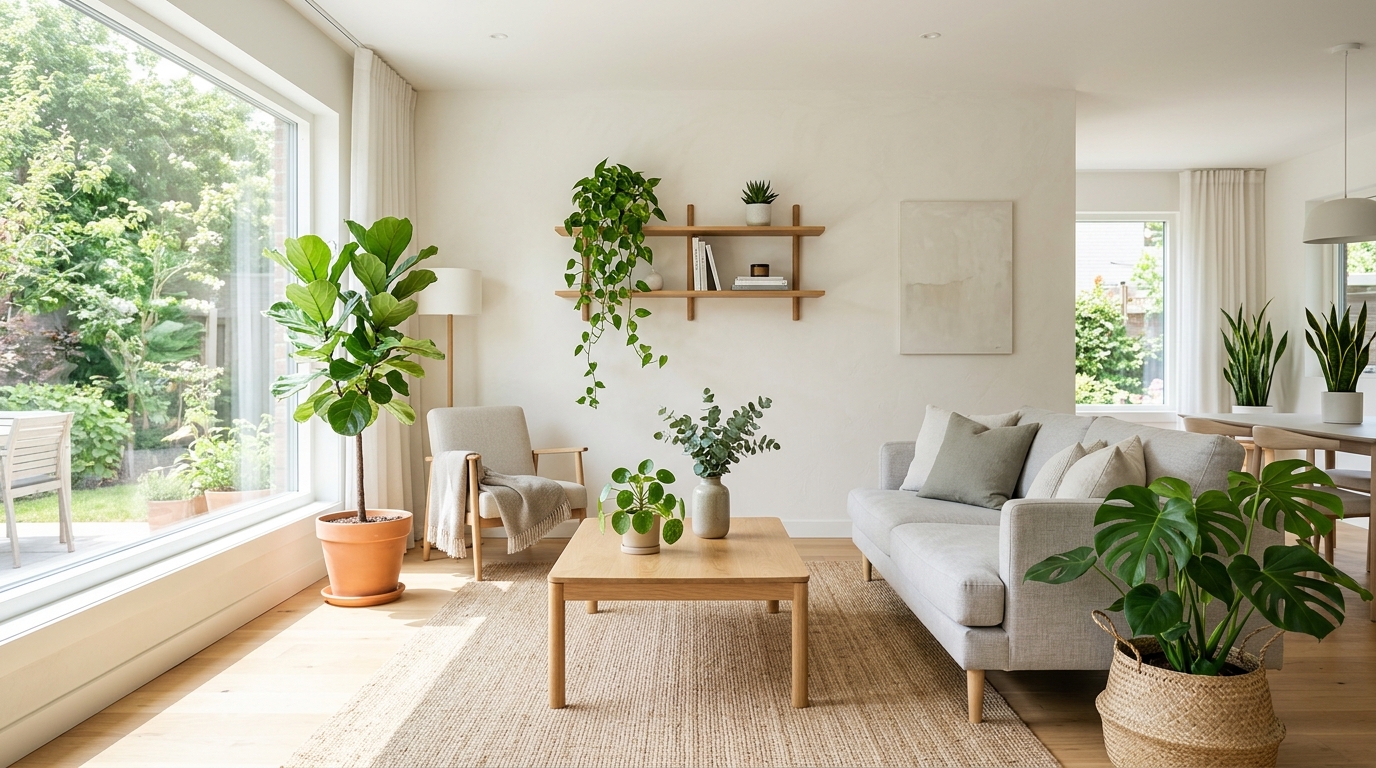
Biophilic staging tips have quietly become one of the most effective—and underused—strategies in real estate marketing. Buyers scrolling through hundreds of listings online respond instinctively to spaces that feel alive, warm, and connected to nature. A well-placed plant doesn't just add color; it signals freshness, care, and lifestyle. According to multiple real estate studies, listings with thoughtfully staged interiors receive significantly more online views and spend fewer days on the market. Plants are one of the fastest, most cost-effective ways to elevate that staged look.
The challenge? Most agents and photographers aren't sure where to place greenery for maximum visual impact. Place a plant in the wrong spot and it blocks natural light, clutters the frame, or simply disappears into the background. Place it right, and it becomes a focal point that draws the eye, creates depth, and makes buyers feel emotionally connected to the space before they've ever walked through the door.
Before committing to real plants, you can visualize plant placements and interior styling with PropStage.ai's Object Placement Tool—uploading any room photo and previewing exactly how greenery will look before you spend a dollar on staging. Now, let's dive into the nine placements that consistently deliver results.
1. The Entryway Statement Plant: Make a Powerful First Impression
The entryway is the first space buyers see—both in person and in listing photos. A tall, architectural plant like a bird of paradise, monstera, or olive tree placed beside a console table or against a bare wall instantly communicates that this home is curated and cared for. Aim for a plant that reaches at least two-thirds of the ceiling height to create visual drama. Pair it with a statement planter in a neutral tone—white, terracotta, or matte black—that complements your flooring.
Pro Tip: If the entryway is small, use a tall, narrow plant like a snake plant or bamboo palm to add height without consuming floor space.
2. The Living Room Floor Plant: Anchor and Soften the Space
Empty corners in living rooms photograph as dead zones—flat, uninviting, and forgettable. A large floor plant like a fiddle-leaf fig, rubber plant, or areca palm fills that space with organic texture and natural color. Position it in the corner nearest to natural light, and slightly in front of the corner wall so it reads as a three-dimensional element in photos. This placement also makes rooms appear larger by guiding the viewer's eye around the space.
3. The Kitchen Herb Display: Sell a Lifestyle, Not Just a Room
Buyers don't just buy square footage—they buy the life they imagine living in a home. A small cluster of potted herbs on a kitchen windowsill or open shelf (think basil, rosemary, and thyme in matching terracotta pots) tells a story of fresh cooking, Sunday mornings, and a home that's genuinely lived in and loved. This biophilic staging tip is particularly effective for kitchens that feel sterile or overly modern. If your kitchen photos feel flat, you can also clean up countertops and add styled elements with PropStage.ai's Kitchen Declutter Tool before adding your virtual greenery layer.
4. The Bathroom Spa Plant: Create a Five-Star Feel
Bathrooms are notoriously difficult to stage because they're small, functional, and often lack personality. A single lush plant—a peace lily, pothos in a hanging planter, or a small fern on a tray beside the tub—transforms a basic bathroom into a spa-like retreat. Buyers immediately associate greenery in bathrooms with luxury hotels and wellness spaces. Choose humidity-loving plants that genuinely thrive in these conditions, so they look their best throughout the listing period.
5. The Bedroom Nightstand Plant: Warmth Without Clutter
Bedrooms benefit most from biophilic elements that feel calm and intentional rather than bold and dramatic. A small, sculptural plant on the nightstand—a succulent arrangement, a single stem in a bud vase, or a compact ZZ plant—adds organic warmth without overwhelming the frame. Keep the planter simple and low-profile. This placement photographs beautifully in wide-angle bedroom shots and adds a lifestyle detail that makes buyers linger on the image longer.
6. The Home Office Desk Plant: Appeal to Remote Workers
With remote work now a permanent fixture for millions of buyers, home offices have become one of the most scrutinized rooms in a listing. A desk plant—particularly a pothos, philodendron, or small fiddle-leaf—signals productivity, calm focus, and a thoughtfully designed workspace. Position it at the back corner of the desk so it's visible but doesn't obscure the monitor area. This single detail can make a spare bedroom feel like a purposeful, desirable home office.
Pro Tip: Use PropStage.ai's Buyer Persona Staging tool to tailor your home office staging—and plant choices—to your target buyer demographic, whether they're executives, creatives, or young professionals.
7. The Dining Table Centerpiece: Organic Elegance Over Artificial Arrangements
Swap out the tired bowl of fake fruit or the dusty silk flower arrangement for a real, living centerpiece. A low-profile succulent arrangement, a cluster of air plants on a wooden tray, or a single tropical leaf in a sculptural vase elevates the dining table from functional to aspirational. Keep the arrangement low enough that it doesn't block sightlines across the table in photos. Natural centerpieces photograph with a depth and texture that artificial arrangements simply cannot replicate.
8. Outdoor Threshold Plants: Curb Appeal That Converts
Biophilic staging doesn't stop at the front door. Flanking the entrance with two matching potted plants—boxwoods, topiaries, ornamental grasses, or olive trees—creates a welcoming threshold that photographs beautifully for exterior shots. This placement is especially powerful for condos and townhomes where the outdoor space is limited. If your exterior photos need a refresh beyond plant placement, PropStage.ai's Facade Makeover tool can transform the entire exterior appearance in seconds, giving buyers a compelling first look before they even read the listing description.
9. Shelf and Ledge Trailing Plants: Depth, Texture, and Visual Interest
Built-in shelves, floating ledges, and open bookcases are staging opportunities that most agents underutilize. A trailing pothos, string of pearls, or ivy cascading over the edge of a shelf adds movement, organic texture, and a layered visual depth that makes photos feel rich and editorial. Combine trailing plants with books, candles, and curated objects for a styled shelf that looks magazine-worthy. This is one of the most photogenic biophilic staging tips you can deploy in any room with vertical storage.
Visualize Your Biophilic Staging Before Spending a Dollar
One of the biggest barriers to biophilic staging is uncertainty—agents and sellers aren't sure how a large monstera will look in a specific corner, or whether trailing plants will overwhelm a shelf. That's exactly where PropStage.ai's AI-powered tools eliminate the guesswork. You can stage any room with the Room Type Generator to preview a fully styled, plant-inclusive interior before you rent or purchase a single item. In 15–30 seconds, you get a photorealistic result that helps you make confident staging decisions and create listing photos that genuinely stop the scroll.
The Bottom Line: Green Sells
Biophilic staging tips work because they tap into something deeply human—our instinctive attraction to nature, life, and growth. When buyers see a home filled with thriving plants, they perceive it as healthy, cared for, and worth their attention. These nine plant placements are proven, practical, and accessible for any listing at any price point. Whether you're staging a luxury penthouse or a starter condo, strategic greenery is one of the highest-ROI investments you can make in your listing presentation.
Ready to see how biophilic staging would transform your current listings? Try PropStage.ai's AI-powered virtual staging tools and visualize plant placements, furniture arrangements, and complete room transformations in seconds—no design experience required.